 An operational management plan is essentially the standard operating procedures for your program. Now I hate the term SOP, because it always feels like it's a set of rules that's written down, which ultimately guarantees that nobody ever reads it. So what's the point? Like anything involving people, logistics and risk, it needs to be a living, breathing process that all staff are part of. It has to be clear in the minds of all staff what the process is to run a safe and effective program. With any experiential education, you need to have some very clear structures in place to both ensure the smooth operation of activities, as well as contingency plans if something goes wrong. Some organisations are obsessed with risk management plans and waivers, thinking this is all the planning they need. They've kept their lawyers happy and there's a document they can produce to prove they at least thought about something before leading the group into the valley of death. Well, there's quite a lot more to it than that and this is where many organisations go wrong. You’d think it goes without saying that you need a plan, an itinerary, a schedule, risk assessment, student medicals, permission notes, or at the very least a class roll! However, I’ve regularly seen the focus of planning to be on only one or two of these components, rather than properly addressing them all. You must address them all! There's no point in having an itinerary and risk assessment written and not having the logistics and staffing in place to execute your plans. You always need a functional end-to-end operational plan, that is flexible enough to handle multiple contingencies. Therefore, you need to plan for everything from the perfect operation to various “what ifs” for minor hurdles, emergencies and full crisis response. An effective response though has more to do with the staff’s mental state and ability to respond and adapt to a fluid situation, rather than a rigid written plan that's immediately forgotten when confronted with a complex crisis. I've seen this done very well, but also extraordinarily poorly, especially when people aren't operating programs all the time and they feel they need to make things up as they go. There's a huge difference between being adaptable and making stuff up on the run. So one massive hint here, Don't Make It Up As You Go! Have a well-structured, executable plan that everyone’s part of that can be quickly enacted if something goes wrong. What if the weather changes? What if an emergency happens? What if a crisis happens? Are you prepared to switch it up and respond quickly and effectively? I've seen some great written risk assessments where I have mused, ‘wow they've thought of everything!’ but then looking further on, no contingency plans nor any real idea as to how to manage an emergency or crisis. 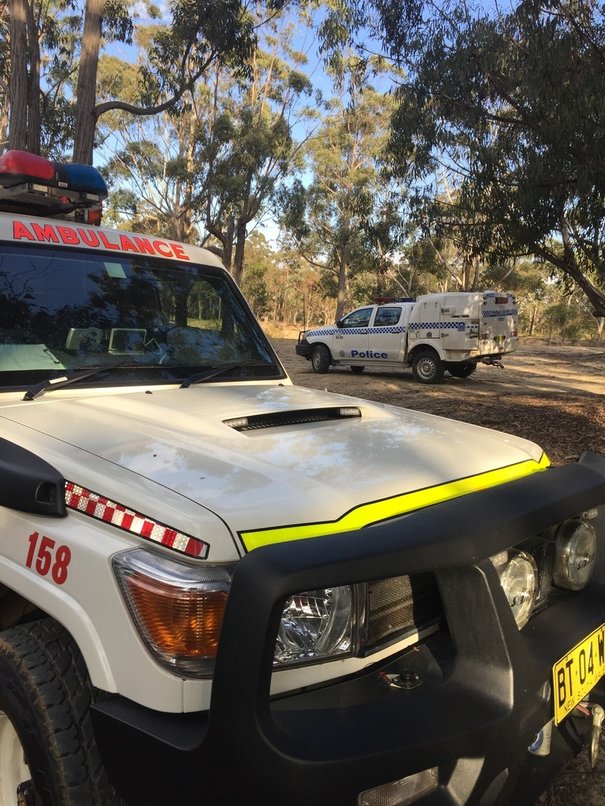 Emergency Services 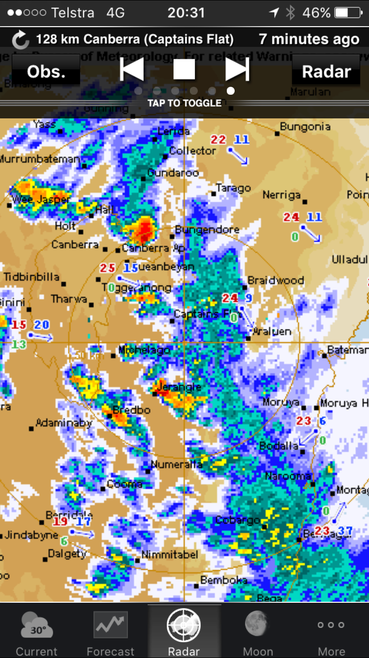 It's Never Nice Getting Hit By This I've seen and worked on programs (thankfully not run them) where the organisation had a ‘nothing will ever go wrong’ approach. This is where everything is done on razor thin staffing, based upon the idea that everything will go exactly to plan and I mean exactly to plan! The danger of this, is firstly, it's idiotic in the extreme. When you're dealing with groups of students and staff in different locations and involving vehicles and equipment, something could eventually go wrong. If you have no flexibility and adaptability factored in, then you're asking for a lawsuit and in fact, you deserve the horrendous experience of being dragged through the courts for your stupidity. I never felt safe, nor comfortable on this program. Thankfully, when I brought it to the attention of the organisation and they couldn't see the problem with it, I left and found another place to work that did.
This ‘razor thin’ notion, usually done to ‘save money,’ that works off the basis that everything will go exactly to plan, just increases the pressure, stress and fatigue on staff, which adds to the inevitability of something going wrong. Philip of Macedon (Alexander The Great’s father) put it very nicely. ‘No plan survives contact with the enemy.’ So with that in mind, here's an outline of how I develop an operational management plan:
If you plan around these 10 steps, then you're well on the way to having a safe, enjoyable and rewarding experience for everyone involved.
0 Comments
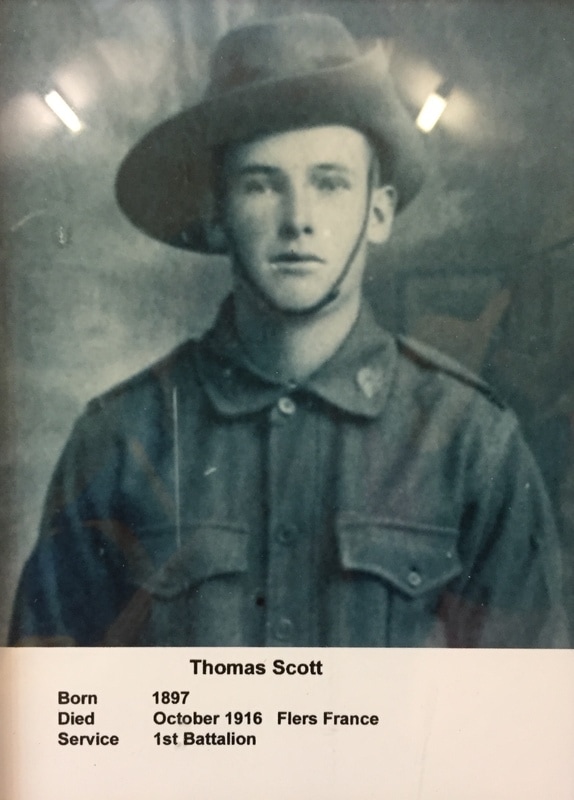
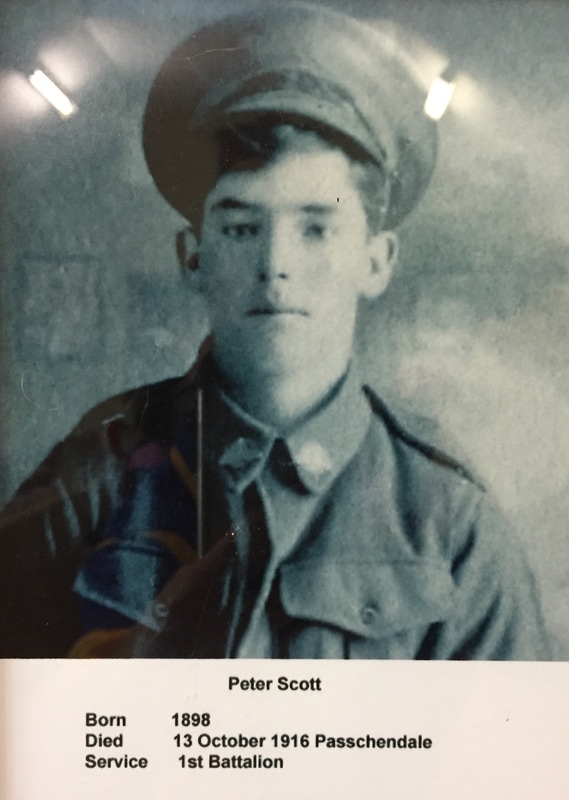
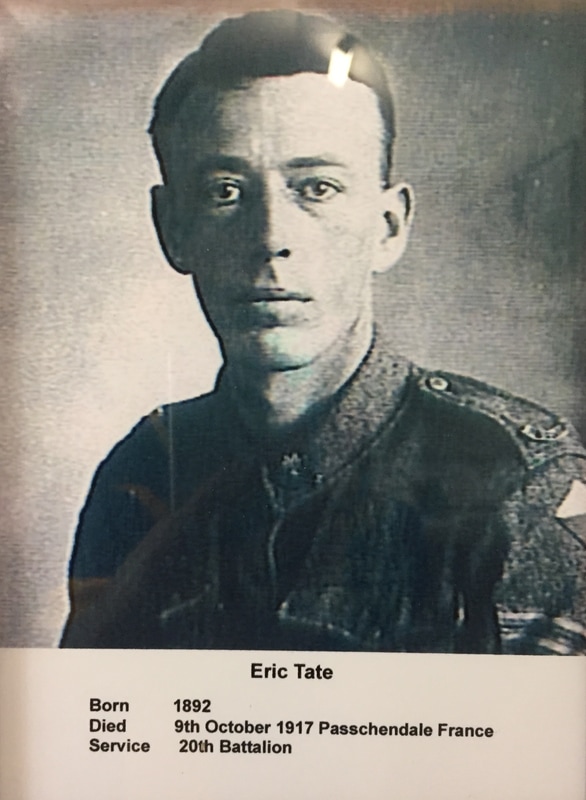
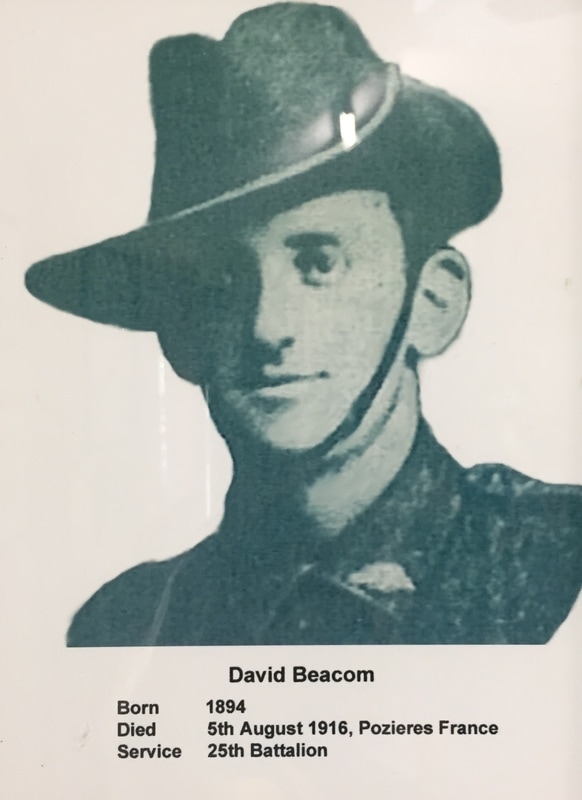
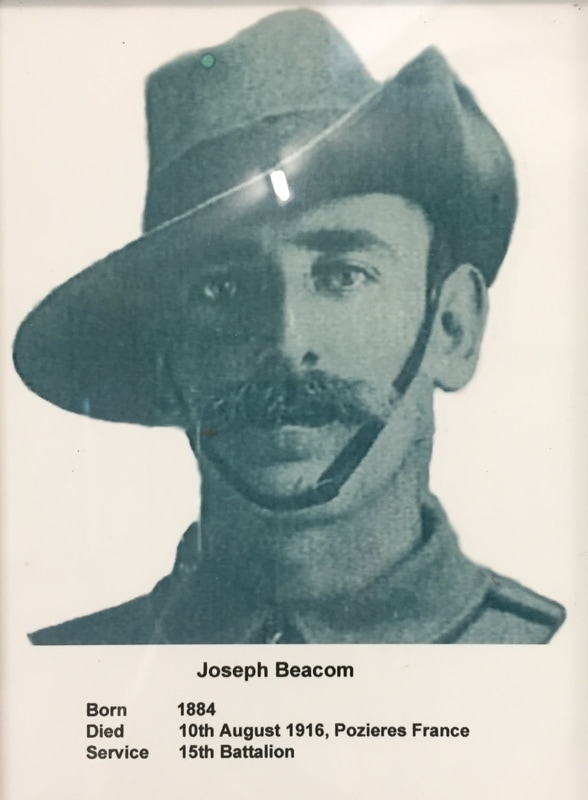
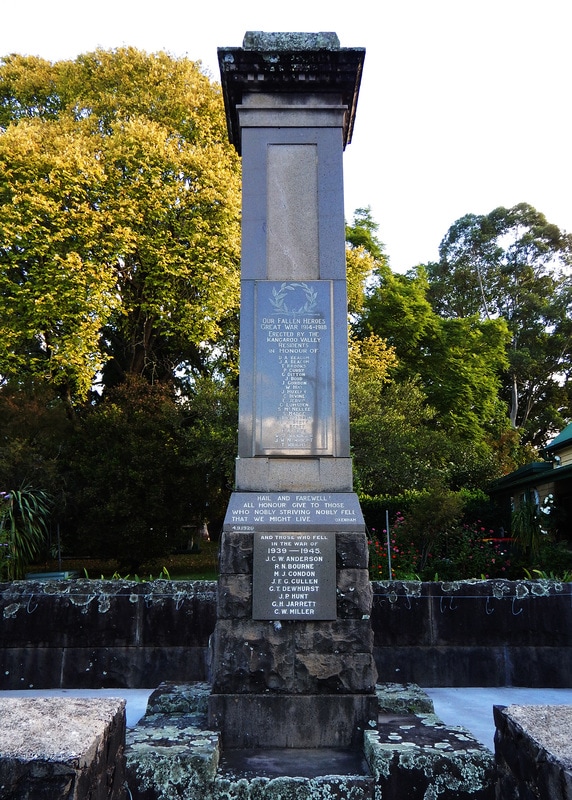 Cenotaph, Kangaroo Valley, NSW Each year, the number of people attending Anzac Day ceremonies is growing higher and higher. Unfortunately, at the same time the number of veterans diminishes. Although age and infirmity take its toll on the courageous men and women who so diligently served and protected our country, age will never diminish the sacrifices they and so many others made to ensure our nation remained free from tyranny. Tomorrow, I’ll be returning, as I do every year to Kangaroo Valley to march for my grandfather and take part in the ANZAC Day Service. However, it’s not just the experience that my grandfather had that will be at the forefront of my mind. It’s the sacrifice of every single young man who is named on the Kangaroo Valley cenotaph that moves me each year. Often we can go to war memorials and be overwhelmed by the sea of names before us. Each and every one of them deserves our gratitude. However, with over 102,000 names on the memorial in Canberra, the sheer volume can blur into obscurity the true stories of the individuals who died, so that we could enjoy the lives we have today. No matter how hard we try, we often miss the important details of each soldier’s life and the lives of those they left behind when they went away to fight. Yet in Kangaroo Valley, I know the stories of every young man who left, never to return. What started out as a history assignment many years ago when I first lived in Kangaroo Valley, turned into something more real and more important than I could have ever imagined. As part of year nine history, the students had to do a local study. One day when walking in town, I stopped to look at the cenotaph. In WWI, there were 58 young men who left for war and 21 of them were never to return. Another 8 were lost in WWII, many of whom were from the same families. I decided to let the students choose one of the names from the cenotaph and research his background prior to the war, as well as his experience of war. I didn’t know what to expect. However, the deeper the students researched into each young man’s background, a series of wonderful and heartbreaking stories emerged. No longer was this just a collection of names on a memorial that so many people unknowingly pass by every day. Their stories came alive and now we were starting to understand the motivations, ambitions and lives of young patriotic men who sought adventure and had a selfless desire to serve their nation. Helping the students with their research, we were able to gain access to military service records of every single soldier, providing a fascinating insight into their background, their family, what gear they were issued, where and how they trained, to which regiments they were attached and in which battles they fought. The vivid stories of their lives became even more real when we located the Red Cross records, many of which gave heart wrenching accounts of how each young man from the Valley died. Over the years, we found letters, journals, family photos and newspaper articles about the men, which added to something that was becoming a very personal understanding of the lives and experiences of each and every young man from the Valley. For me, no longer were they a name on the cenotaph. They were wonderful, recognizable members of our small community who lost their lives fighting to protect our values and way of life. I was so pleased to see in 2012, their stories published by Geoff Todd in his history titled, “The Valley Boys.” When the Last Post sounds and we stand in silence remembering those who fell, I don’t think of the Great War and all its generals. I don’t think about the landing at ANZAC Cove and the deadly rush to get off the water and onto to the beaches. I think about Thomas Edward Scott (20yrs) and his brother Peter Joseph Scott (18yrs), both killed in action. I think about Joseph (32yrs) and David (22yrs) Beacom, brothers whose graves were never known. I think about Eric Austin Tate (26yrs) and every other one of the brave young men who never truly had the chance to live their lives and who never saw home again.
Whilst the years roll on and new generations of Australians come together to commemorate the sacrifices of those who went to war, I encourage you to look deeper into each and every one of the names that are forever etched in your local Roll of Honour. Understand who those young men and women were, so we can honour their lives, dreams and ambitions as a living memory of what they did and what they gave up to protect our communities and our way of life. They shall grow not old, as we that are left grow old: Age shall not weary them, nor the years condemn. At the going down of the sun and in the morning, We will remember them. Lest We Forget 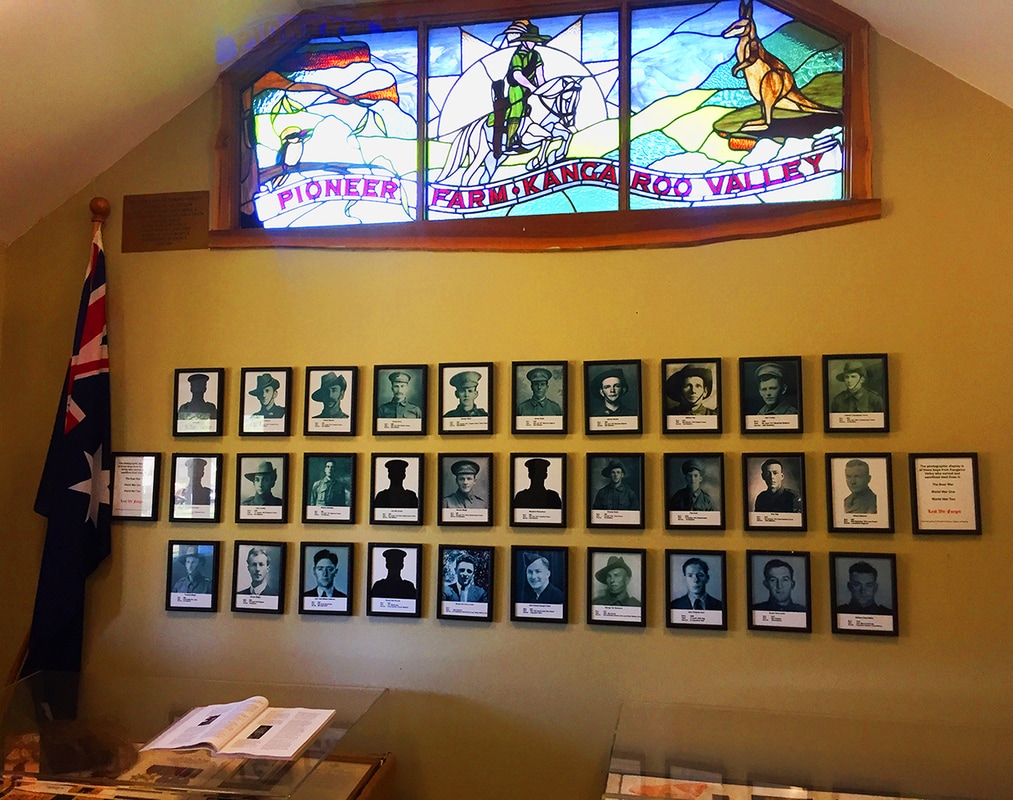 The Courageous Valley Boys - Kangaroo Valley Pioneer Farm 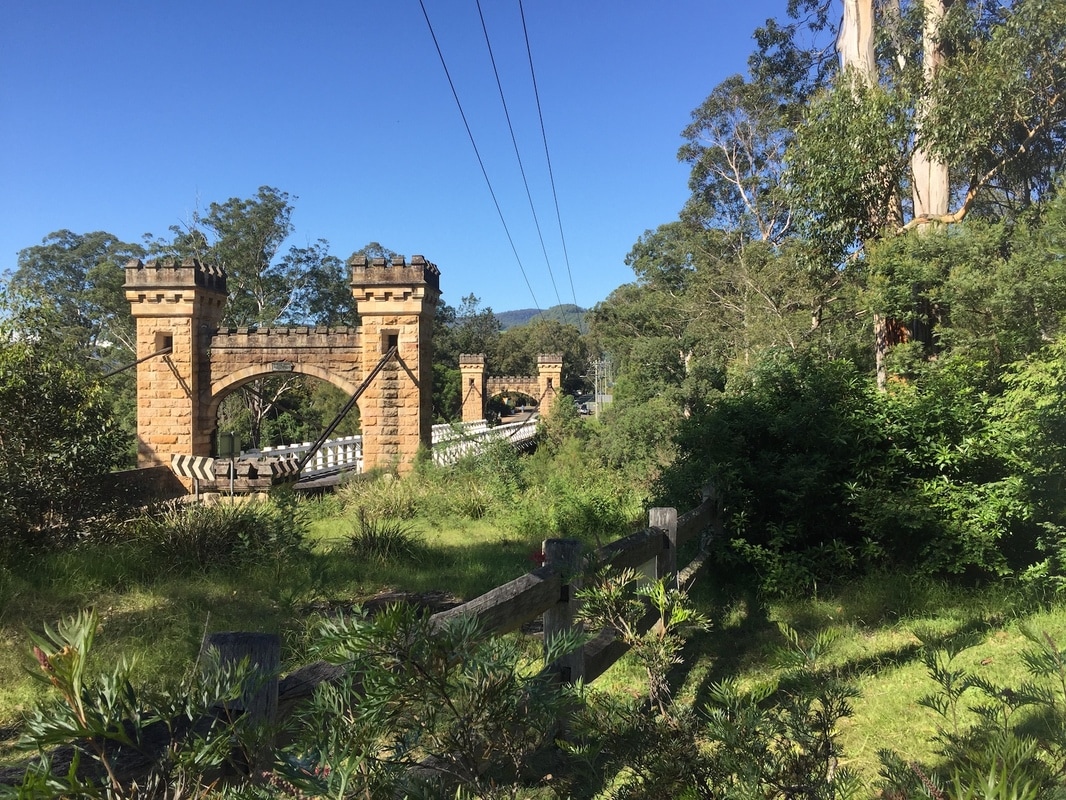 Kangaroo Valley, NSW |
Categories
All
Archives
April 2021
|
 RSS Feed